I’ve said it before and I’ll say it again: looking clean beats looking expensive. And the best way to build a clean, intentional wardrobe without blowing your paycheck is to actually get good at thrifting. But thrifting for men’s clothes can feel like a gamble—you walk in, see racks of wrinkled polo shirts and faded jeans, and leave empty-handed. I’ve been there. Over the past few years, I’ve learned how to thrift menswear successfully for clean style, and it’s changed how I shop. Here’s exactly how I do it.
Why Thrifting Works for Clean Style
Thrifting isn’t just about saving money—it’s about finding pieces that hold up better than most new stuff from fast-fashion stores. A solid wool blazer from a decade ago? Probably better construction than anything you’d grab off the rack at a mall today. The key is knowing what to look for. When you learn how to thrift menswear successfully for clean style, you start seeing thrift stores as a goldmine for quality basics: oxford cloth button-downs, chinos, crewneck sweaters, and even selvedge denim if you’re lucky.
I’ve picked up J.Crew chinos for $8, a Brooks Brothers OCBD for $12, and a vintage Pendleton sweater for $15. All of them were in great shape and just needed a quick wash or a trip to the tailor. That’s the thing—clean style doesn’t require brand-new clothes. It requires clothes that fit well, are in good condition, and work together in outfits you’ll actually wear.
How to Spot Quality Pieces
The biggest mistake beginners make is grabbing anything that looks interesting. I’ve done it—bought a weird patterned shirt because “it might work someday.” It didn’t. Instead, stick to a mental checklist:
- **Fabric**: Touch it. Wool, cotton, linen, and silk feel different from polyester blends. Look for 100% natural fibers or close to it. Wool trousers and cotton twill shirts are your friends.
- **Construction**: Check the seams. Are they straight? Is the lining intact? For jackets, feel the buttons—real horn or corozo are signs of quality.
- **Brands**: Familiarize yourself with solid brands that make classic cuts: Brooks Brothers, Ralph Lauren, J.Crew, Land’s End, Patagonia (for outerwear), and early-2000s Banana Republic. These aren’t trendy labels, but they make clothes that last.
- **Condition**: Look for stains, holes, pilling, and broken zippers. Minor issues like a missing button are easy fixes. Major stains on light-colored fabrics—skip them.
I usually spend about 10 minutes quickly scanning a rack, touching fabrics, and pulling out anything promising. Then I try it on. That brings me to the next point.
Fit Is King: Alterations and Proportions
Most thrift store clothes are not going to fit you perfectly off the rack. That’s okay. The secret to mastering how to thrift menswear successfully for clean style is learning which fit issues are fixable and which aren’t.
**Fixable:** Sleeves too long? A tailor can shorten them for $15-20. Shirt too baggy in the body? Taking in the sides costs about $10-15. Pants too long? Hemming is $8-12. These are small investments that transform a thrift find into a custom-fit piece.
**Not fixable:** Shoulders that are too wide (jackets and shirts—expanding is near impossible). Pants that are too tight in the thighs or seat. A jacket that’s too short in the body. Don’t try to force it. Move on.
When I’m trying on pants, I look for the waist to be close—within an inch or two—because that’s easy to adjust with a belt or a tailor. For button-down shirts, the shoulder seam should align with your shoulder bone. For blazers, the collar should sit flat against your neck. A good fit makes any outfit look intentional.
Building a Capsule Thrift Wardrobe
Once you’ve nailed the basics of finding and fitting thrift pieces, the next step is building a wardrobe that works together. I focus on neutral colors—navy, charcoal, olive, cream, and white. That way, everything mixes and matches. Here’s a starter capsule you can thrift in an afternoon:
- **2-3 oxford cloth button-downs** (white, light blue, and maybe a stripe)
- **2 pairs of chinos** (one navy, one khaki or olive)
- **1 pair of dark wash jeans** (straight or slim straight)
- **1 unstructured blazer** (navy or tweed)
- **2 crewneck sweaters** (one thick wool, one cotton)
- **1 classic trench or field jacket** (like a Barbour or a military surplus)
Each of these items can be found at thrift stores if you’re patient. I’ve collected all of mine over a few months of hitting Goodwill, Salvation Army, and local vintage shops. The total cost? Under $100.
Now, the real test: will you actually wear it? Ask yourself, “Would I wear this through a full day—coffee run, work, dinner—or just for a photo?” If it’s the latter, leave it. That filter alone saves me from most bad purchases.
Tips for Consistent Wins
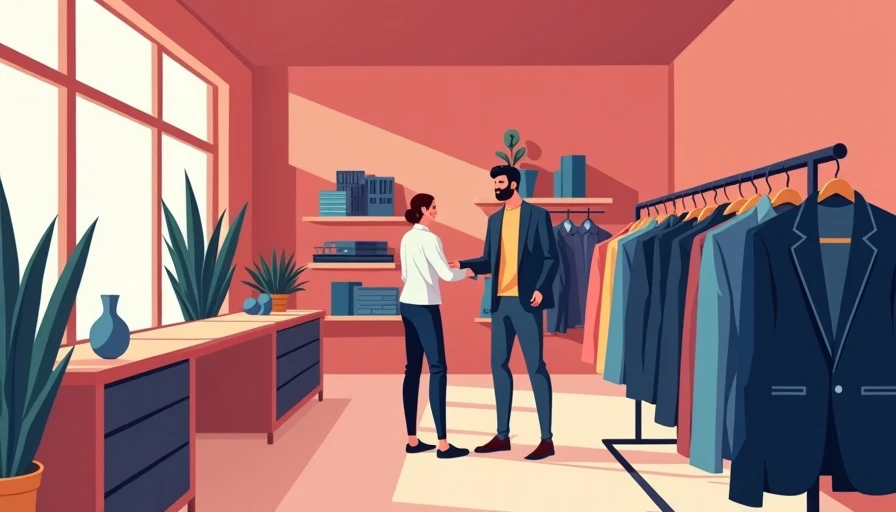
To keep getting better at thrifting, develop a system. I thrift once every couple of weeks, always on weekday mornings when the stores are quieter. I bring a small tape measure to check waist and inseam, and I always try things on. One trick: when you find a brand and size that works, check every rack for that same label. At Goodwill, I’ve gotten three identical J.Crew shirts on separate trips because they fit perfectly.
Another thing: don’t overlook the women’s section for basics like chunky sweaters, button-downs, or even blazers—sometimes the fit works if you size up and go for androgynous styles. But that’s an advanced move. Stick to men’s first.
Finally, be patient. Learning how to thrift menswear successfully for clean style takes a few trial runs. You’ll leave empty-handed sometimes. That’s fine. The goal is to slowly replace your wardrobe with pieces that feel right, not just fill space. Over time, you’ll walk into any thrift store with confidence, knowing exactly what to reach for and what to leave behind.
The Bottom Line
Thrifting isn’t a shortcut—it’s a skill. It rewards attention to detail, patience, and a willingness to invest in slight alterations. But when you get it right, you end up with a wardrobe that looks more intentional than most guys wearing full-priced fast fashion. And the best part? You didn’t spend a fortune. So next time you’re near a thrift store, swing in. Apply what you’ve learned, and start building that clean, affordable style. You’ve got this.



Letters
No letters yet — be the first to write.