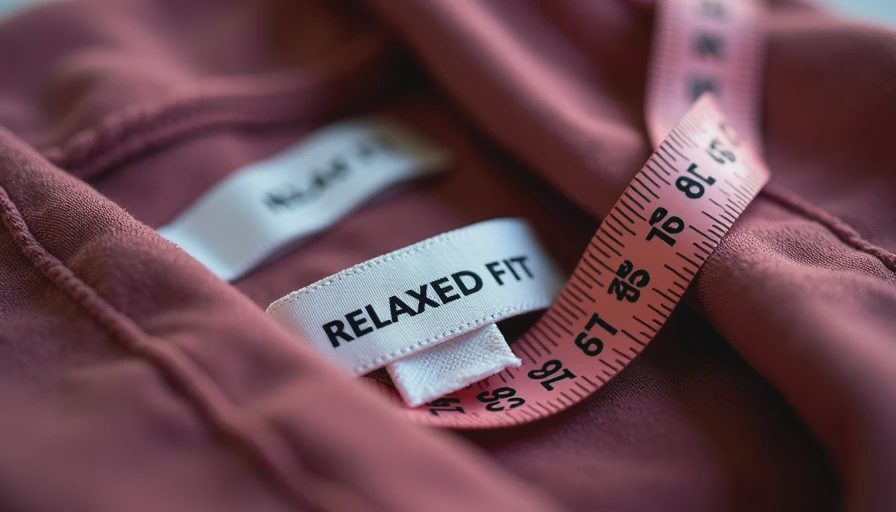
I’ve been there. You order a pair of chinos in a slim cut because that’s what every influencer wears, only to realize they’re squeezing your thighs like a compression sleeve. Or you go relaxed, thinking it’ll be more comfortable, and end up looking like you borrowed pants from an older relative. Avoiding common fit mistakes with slim vs relaxed cuts isn’t about picking a side—it’s about understanding your body and the specific cut. Here’s what I’ve learned through plenty of trial and error.
Why Slim Cuts Fail Most Guys
Slim cuts get a lot of hype because they look clean on models. But in real life, they often cause two big problems: thigh strangulation and waist gapping. If you have any muscle in your legs, slim fit chinos from brands like Uniqlo ($49.90) can feel like they’re cutting off circulation. The result is a look that’s tight, not tailored. I’ve returned three pairs of slim fits because I couldn’t sit down without popping a button. The fix? Look for “slim straight” or “athletic slim” cuts—they taper below the knee while leaving room in the seat and thighs. Levi’s 512 is a solid example at around $70. Another mistake is assuming slim equals sharp. If the fabric pulls across your thighs or hips, it actually makes you look wider, not leaner. Don’t buy slim cuts just because they’re trendy; buy them only if they let you move freely.
The Relaxed Cut Problem
On the flip side, relaxed cuts come with their own pitfalls. The biggest is going too baggy, which makes you look shorter and less put together. I grabbed a pair of relaxed fit jeans from a mall brand once, and my girlfriend asked if I was going to paint a house. Not the look I was going for. Relaxed doesn’t mean shapeless. A good relaxed cut (like J.Crew’s Classic Fit chinos, around $75) has a straight leg that doesn’t flare out at the knee or pool over your shoes. The mistake people make is sizing up for comfort—that just adds more fabric everywhere. Instead, get your true waist size and look for a cut with a slightly higher rise. That gives you breathing room without the extra width. Also, avoid relaxed cuts if you’re under 5’10”—they can make you look stumpier. In that case, a slim-straight or even a tapered cut is safer.
Avoiding Common Fit Mistakes with Slim vs Relaxed Cuts: A Practical Framework
The key to avoiding common fit mistakes with slim vs relaxed cuts is knowing your body type and the occasion. Here’s a system I use: For a date or going out, a slim or slim-straight cut in dark wash or khaki works—just make sure you can pinch an inch of fabric at the thigh. For the office or travel, go with a straight or relaxed cut in a breathable fabric like cotton-linen blend. For lounging, relaxed is fine—but even then, choose a modern relaxed fit that doesn’t look like pajamas. Measure your thighs and inseam before buying. Most guys need a thigh opening of about 12-13 inches for slim, 13-15 inches for relaxed. If you’re between sizes, size up on waist and get the seat tailored—it’s cheaper than replacing the whole pair.
What to Look for When Shopping
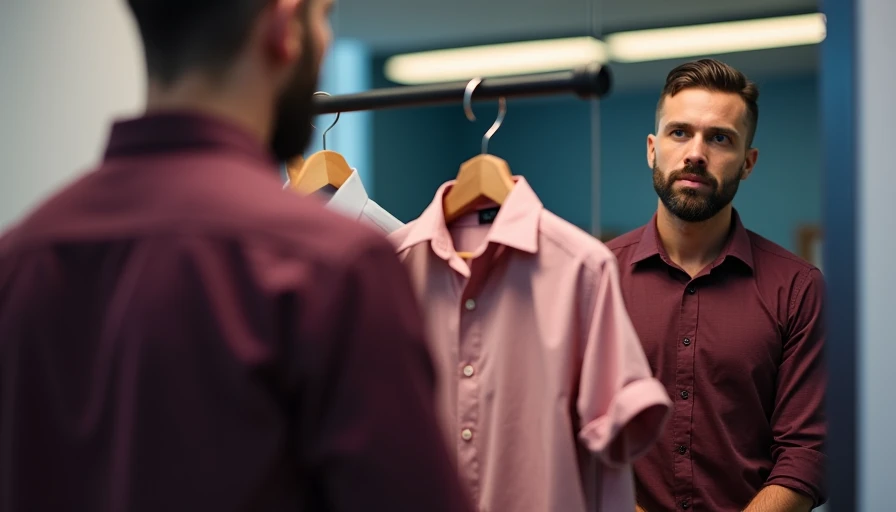
When you’re in the store or scrolling online, avoid common fit mistakes with slim vs relaxed cuts by checking three things: fabric, rise, and taper. Stretch denim (1-2% elastane) can make a slim cut more forgiving. A mid-rise (10-11 inches) works for most body types—low rise can cause muffin top in slim fits, and high rise can look retro in relaxed cuts. Taper is the secret weapon: a pant that’s roomy in the thigh but narrows from knee to hem gives you the best of both worlds. Brands like Bonobos and Everlane offer detailed measurements so you can compare. And don’t ignore reviews—look for notes from guys with similar build (height, weight). I’ve saved hundreds by reading a few comments.
Frequently Asked Questions About Fit
**How can I tell if a slim cut is too tight?** Stand up and sit down. If you see or feel the fabric pulling across your thighs or if the waistband gapes when you sit, it’s too narrow. Also, check the pockets—if they bulge open, the cut is too slim for you.
**Can relaxed cuts look professional?** Yes, if you choose a modern relaxed fit that isn’t overly baggy. Look for a straight leg and a mid-rise. Pair with a blazer or tucked-in shirt for a clean silhouette. Avoid oversized cargo pockets or heavy washes.
**Should I size down in relaxed cuts?** No. Stick with your true waist size. Sizing down will make the thighs tighter and defeat the purpose. Instead, look for a relaxed cut with a higher rise—that adds breathing room without extra width.
**What’s the best compromise cut?** A slim-straight or tapered straight cut. It gives you room in the seat and thighs but narrows from the knee down. Old Navy’s Slim Straight ($35), Gap’s Athletic Taper ($70), and Banana Republic’s Traveler Jean ($90) are solid picks that help you avoid common fit mistakes.
Final Thoughts
Looking clean beats looking expensive. By avoiding common fit mistakes with slim vs relaxed cuts, you’ll end up with pants that actually work for your body and your lifestyle. Start with your measuring tape, not a trend. And when in doubt, go for a mid-rise straight cut with a slight taper—it’s the safest bet for most guys. Trial and error is part of it, but with these guidelines, you’ll make fewer returns and feel better in what you wear.

Letters
No letters yet — be the first to write.