The Day I Realized I Was Dressing Safe, Not Clean
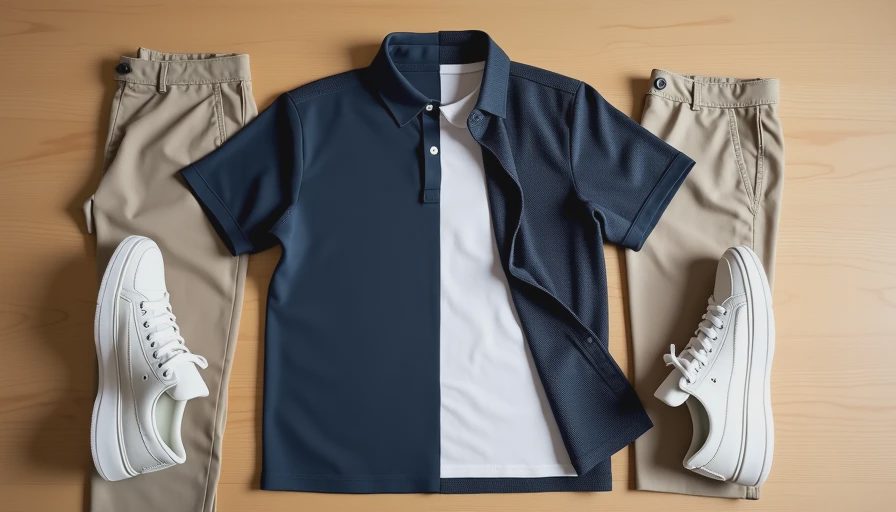
I was meeting friends for drinks after work and caught myself in a mirror. Everything matched. Nothing was wrong. But I looked… forgettable. Like a background character in my own life. The navy polo, khaki chinos, and basic sneakers were “safe.” They didn’t offend anyone, but they also didn’t do anything for me.
That moment stuck with me. I had spent years trying to look clean by avoiding mistakes, but I wasn’t actually building a style that felt like me. There’s a real difference between dressing clean and dressing safe — and understanding it changed how I approach my wardrobe.
Looking clean beats looking expensive, but only if it’s intentional and personal. Playing it too safe often means missing the point entirely.
What “Dressing Safe” Actually Looks Like
Dressing safe is fear-based. It’s choosing clothes that blend in to avoid judgment. For me, that meant:
Always defaulting to the most neutral colors (navy, gray, black, khaki)
Wearing slightly baggy or oversized pieces because they “hide flaws”
Sticking to the same three outfits on repeat because they were proven “okay”
Avoiding any texture, subtle pattern, or interesting details
Safe dressing protects you from looking bad, but it also protects you from looking good. You become invisible. In San Diego’s bright, casual environment, this approach made me look younger in the wrong way — like I still hadn’t figured myself out.
What “Dressing Clean” Actually Looks Like
Clean dressing is confidence-based. It’s about clear, intentional choices that create a sharp, cohesive appearance while still feeling like you.
Clean means:
Proper fit that flatters your actual body
Thoughtful but simple combinations
Subtle details that reward closer looks (nice textures, clean lines, good proportions)
Personality without trying too hard
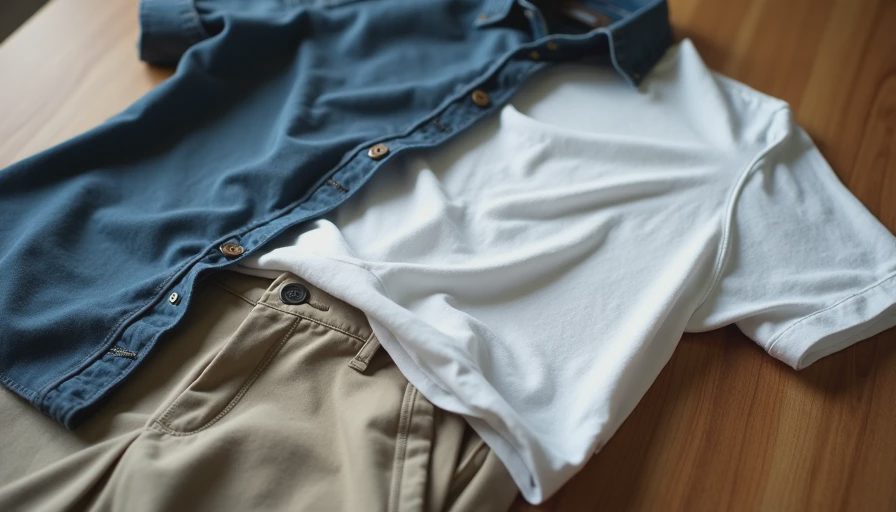
When I shifted to clean, I started wearing my navy overshirt open over a white tee with stone chinos and white sneakers. Same colors as before, but better fit and better execution. Suddenly people noticed I looked “sharper” without being able to explain exactly why.
The Key Differences I Learned
Risk Level
Safe: Zero risk. You won’t stand out, but you also won’t get compliments.
Clean: Calculated, low risk. You might get noticed positively.
Effort
Safe: Minimal thought. Grab whatever doesn’t clash.
Clean: Intentional but repeatable. Small decisions that compound.
Result
Safe: You look “fine.” People forget what you wore.
Clean: You look solid and capable. People remember the impression even if they don’t remember the outfit.
Long-term Effect
Safe: Stagnation. Your style never improves.
Clean: Steady progress. You build confidence and refine your taste over time.
I spent way too long in the safe zone. It felt comfortable, but it wasn’t helping me become the more solid version of myself I wanted to be.
How I Moved From Safe to Clean
It wasn’t a dramatic closet purge. It was small experiments:
I fixed the fit on my existing pants and tees first.
I added one interesting texture (the navy overshirt) and tested it in different situations.
I started paying attention to how light hits fabrics — matte textures photograph and look better in real life.
I allowed myself subtle personality — like rolling sleeves a certain way or choosing stone chinos over khaki.
The breakthrough came during a weekend coastal drive. I wore a white tee, well-fitted stone chinos, the navy overshirt, and clean white sneakers. Nothing crazy, but I felt good all day. That feeling — quiet confidence — is what clean dressing delivers.
Common Safe Traps Guys Fall Into
Wearing only solid colors with no texture
Defaulting to athletic or overly casual pieces
Choosing clothes that are slightly too big “for comfort”
Matching everything too perfectly (it looks stiff)
Avoiding any piece that might draw mild attention
I did all of these. Breaking the pattern took conscious effort, but it was worth it.
Finding Your Clean Zone
Clean looks different for everyone, but here are some universal principles:
Prioritize fit above all else
Build around 3-4 reliable neutrals, then add subtle accents
Make sure your clothes work with your real life and body
Test outfits in real situations, not just the mirror
Allow small moments of personality (a textured overshirt, interesting sneakers, rolled sleeves)
For a guy in his 20s or early 30s in a warm city, clean often means relaxed proportions, breathable fabrics, and easy layers. It should feel natural, not forced.
The Confidence Payoff
When you dress clean instead of safe, something shifts internally. You stop worrying about your clothes as much because they work. You stand taller. You engage more because you’re not self-conscious.
My coworkers, friends, and even dates started responding differently once I made this switch. Not because I was suddenly fashionable, but because I looked like someone who had his act together.
This is still part of my ongoing journey. I’m not perfect, and I still have safe days when I’m tired or rushed. But I now know the difference and can course-correct faster.
For Guys Stuck in Safe Mode
If you recognize yourself in the “safe” description, start small. Pick one safe habit to break this week. Maybe it’s getting your pants hemmed properly. Maybe it’s buying one overshirt instead of another plain tee.
The goal isn’t to become a style influencer. It’s to stop hiding and start showing up as the best version of yourself — clean, capable, and quietly confident.
This mindset shift is one of the most valuable things I’ve learned in my style journey. It’s not about the clothes. It’s about how you feel in them and how you carry yourself through the world.
Dressing clean is empowering. Dressing safe is limiting. Choose the first one. Your future self will thank you.
Looking clean beats looking expensive — and it definitely beats dressing safe.


Letters
No letters yet — be the first to write.