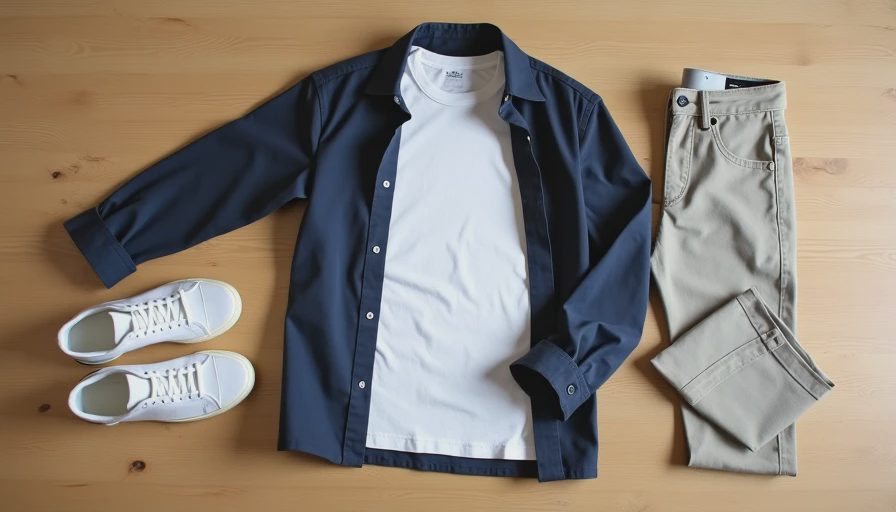
The Realization That Changed Everything
I used to think better style meant more expensive clothes. I’d see influencers in designer pieces and assume that was the path. So I bought things I couldn’t really afford, wore them a few times, and still didn’t feel like I looked better. Something was missing.
Then one day, standing in my apartment before heading out for coffee, I realized the outfits that made me feel most confident weren’t the priciest. They were the cleanest. Well-fitted, intentional, simple. That moment became the core of my entire approach to style.
Looking clean beats looking expensive. This isn’t just a catchy phrase — it’s the filter I now run every purchase and outfit through. And it’s what this whole blog is built on.
What “Looking Clean” Actually Means to Me
Clean isn’t boring or basic. It’s deliberate. It means:
Clothes that fit your actual body properly
Cohesive, repeatable outfits instead of random pieces
Attention to small details like hem length, collar shape, and cleanliness
Looking like you have your life together without screaming for attention
It’s the difference between walking into a coffee shop and blending into the background versus looking like the guy who seems solid and approachable.
In my early 20s, I was chasing “expensive.” Now at 27, working in client success in San Diego, I chase clean. The results are better, the stress is lower, and the bank account is happier.
Why Expensive Often Fails in Real Life
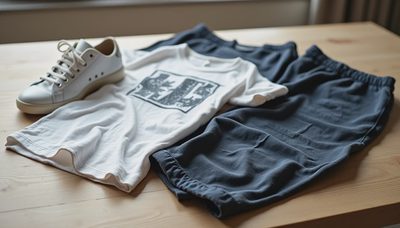
Expensive clothes can still look bad if the fit is wrong, the colors don’t work together, or they don’t match your lifestyle. I’ve seen $300 jackets look sloppy because the guy wore them with the wrong pants. Meanwhile, a $60 Uniqlo tee with perfect stone chinos and clean white sneakers can look sharp.
Real life isn’t perfectly lit photoshoots. It’s fluorescent office lights, sitting in cars, walking in coastal wind, and spilling coffee. Clean survives those conditions. Expensive without intention often doesn’t.
The Core Principles of My Philosophy
1. Fit First, Always
No amount of money fixes bad fit. Shoulders right, pants breaking once at the shoe, nothing pulling or pooling. This single focus upgraded my look more than any purchase.
2. Versatility Over Variety
I own fewer items now, but they work harder. A navy overshirt gets worn with tees, oxfords, chinos, and jeans. One strong piece beats five mediocre ones.
3. Neutral Base with Subtle Texture
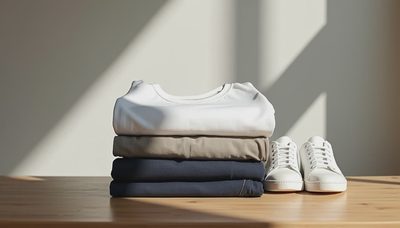
Mostly navy, white, stone, olive, and gray. Then I add interest through fabric texture — matte cotton, visible twill, natural wrinkles — instead of loud colors or graphics.
4. Test Everything in Real Days
If I wouldn’t wear it from morning coffee to evening without thinking about it, it doesn’t stay. Mirror checks aren’t enough. Real life reveals the truth.
5. Progress Over Perfection
I’m not trying to look like a fashion guy. I’m trying to look like the best version of a regular 27-year-old in San Diego — someone who pays attention without obsessing.
How This Philosophy Plays Out Daily
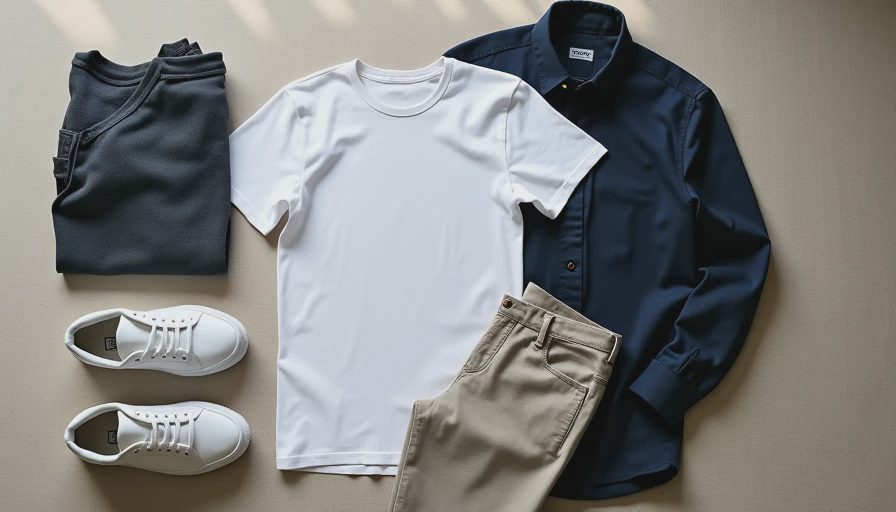
A typical day might be: white heavyweight tee + navy overshirt + stone chinos + clean white sneakers. Nothing expensive, but everything fits right and works together. I feel solid walking into client calls or meeting friends. That feeling is addictive.
On weekends: gray crewneck + olive chore coat + light chinos + white sneakers for coffee shops and coastal drives. Same logic, different context.
The consistency across days is what builds the “put together” reputation. People notice over time, even if they can’t pinpoint why.
What I’ve Learned From Making Mistakes
I wasted money on trendy pieces, oversized everything, and loud sneakers. I dressed safe for too long. I chased validation through clothes instead of building quiet confidence.
Each mistake taught me something valuable. The biggest lesson? Style isn’t about impressing strangers. It’s about becoming a more capable, confident version of yourself — one that shows up consistently in real life.
For Guys in Their 20s and Early 30s
You don’t need a big budget or fashion knowledge to look better. You need intention and attention. Start by fixing fit on what you already own. Build a small set of versatile pieces. Test them in your actual life.
This philosophy is accessible. It works with normal jobs, normal salaries, and real bodies. It’s not about pretending to be something you’re not. It’s about becoming more solid in who you are.
The Bigger Picture
Style, for me, is part of becoming a better man — more observant, more consistent, more respectful of my own time and money. It’s not the most important thing in life, but it’s a visible reflection of how I handle the small details.
This blog exists to share that journey honestly. No snobbery, no cosplay, just real lessons from someone who messed up plenty before figuring out what works.
If you’ve been feeling overwhelmed by style content, simplify. Focus on clean. Master fit. Build repeatable outfits. Pay attention.
The rest falls into place.
Looking clean really does beat looking expensive. And once you experience it in your own life — that quiet confidence when you look in the mirror and feel solid — you’ll never go back.
Thanks for following along with this launch series. This philosophy is the foundation for everything we’ll keep exploring here at Miles in Fit. Let’s keep getting cleaner, together.
Letters
No letters yet — be the first to write.