Clean, minimal outfits are the backbone of a solid wardrobe. But if you've been wearing nothing but solid colors for a while, things can start feeling a bit flat. Adding pattern is the obvious next step, but it's also where a lot of guys mess things up. One wrong print and you go from looking clean to looking like you're about to play a round of golf in 1992. The trick is knowing how to incorporate subtle patterns without overwhelming clean looks. I've tested this myself, and the good news is you don't need to overhaul your closet.
Start with a Solid Foundation
Before you even think about pattern, make sure your base is rock-solid. That means your jeans, chinos, tees, and button-downs in neutral colors like navy, charcoal, olive, and white. The whole point of subtle pattern is that it adds interest without shouting. If your foundation is loud or ill-fitting, the pattern has nowhere to sit quietly. I keep a rotation of Uniqlo selvedge jeans, J.Crew broken-in chinos, and plain tees from Pistol Lake. When I drop a patterned overshirt or a striped Oxford over those, the outfit works because the base isn't competing.
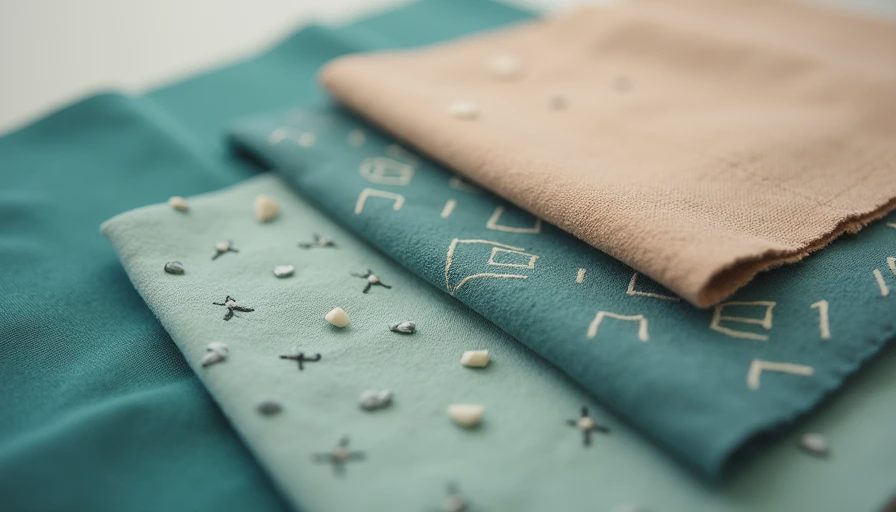
Pick One Pattern Per Outfit
This is the golden rule. One pattern per outfit. If you wear a striped shirt, keep your pants solid. If you try a checkered jacket, your pants and shirt should be plain. The moment you stack two patterns, you're asking strangers to focus on your clothes instead of you. That's the opposite of clean. Even with subtle patterns like micro-check or tonal stripes, layering two can quickly turn chaotic. I've made this mistake plenty: a gingham shirt with a herringbone blazer — sounds cool, looks like a puzzle. Keep it to one focal point and let the rest of the outfit fade into the background.
Keep Colors Neutral and Low Contrast
Subtle pattern works best when the colors are close together on the spectrum. Think navy-on-navy stripe, black-on-charcoal check, or a cream-and-white windowpane. High contrast patterns — like a bright red check on white — immediately draw the eye and break the clean look. Low contrast says "I put thought into this" without screaming it. My go-to is a Uniqlo blocktech parka with a faint herringbone pattern in black and dark gray. From three feet away, it just looks like a nice textured jacket. That's the goal.

Use Patterns in Accessories First
If you're new to pattern, start small. A patterned pocket square, a striped beanie, or a pair of socks with a subtle geometric print can add personality without risking the whole outfit. Accessories are easy to swap out if they don't work, and they let you test the waters. I picked up a navy-and-white dotted tie from The Tie Bar for about $20, and it completely changed how my go-to white oxford and gray suit looked. No one thought I was trying too hard — they just noticed I looked sharper. Once you're comfortable, you can move to a patterned button-down or a camp collar shirt.
Balance With Unstructured Textures
Texture is pattern's quieter cousin. A linen shirt has natural slubs that catch light. A wool flannel has a soft nap that adds depth. These don't feel like "pattern" but they achieve the same goal: breaking up a flat surface. If you're still uneasy about prints, lean into textured solids — brushed cotton, Oxford cloth, thermal knits. They keep your look clean while adding just enough going on. I've been wearing an Abercrombie waffle-knit crewneck in heather gray for two winters, and it gets more comments than any printed sweater I own.
Know When to Skip the Pattern
Not every outfit needs pattern. Some occasions — client meetings, first dates, formal events — call for absolute minimalism. A crisp white button-down and dark jeans will always beat a printed shirt when you're trying to make a calm, confident impression. Save patterns for casual hangouts, weekend errands, or days when you want to show a little personality. Looking clean beats looking expensive, and sometimes the cleanest thing you can wear is nothing but solid colors with perfect fit.
A Quick Checklist for Subtle Patterns
If you're still unsure about how to incorporate subtle patterns without overwhelming clean looks, run through this quick mental checklist before you leave the house.
- Start with a solid foundation: neutral, well-fitted base pieces.
- Limit to one patterned item per outfit.
- Keep the pattern's color contrast low — think adjacent shades, not opposites.
- Test patterns in accessories before committing to a bold shirt or jacket.
- Use textured solids as a stepping stone when prints feel too risky.
- Check that the pattern doesn't compete with your environment — a busy check may be fine for a coffee run but too distracting for a formal dinner.
- Finally, ask yourself: does this feel like me? If the pattern makes you self-conscious, skip it. Confidence is the real key to pulling off any look.
Running through these steps takes ten seconds. It'll save you from walking out the door in an outfit that tries too hard.
Making subtle pattern work is about restraint, not creativity. Start with one piece, keep the contrast low, and let the rest of your outfit fade into a solid background. Your wardrobe will feel fresh without feeling loud. And honestly, that's the sweet spot everyone's chasing.




Letters
No letters yet — be the first to write.