Learning the Hard Way About Value
I’ve wasted plenty of money chasing “premium” versions of things that didn’t deliver in real life. On the flip side, I’ve found some categories where spending a bit more actually makes sense. The difference comes down to understanding what truly affects how clean and put-together you look versus what’s mostly marketing.
After testing dozens of items through client meetings, weekend trips, coffee runs, and full San Diego days, here’s my current list of things I’d never overpay for again. This isn’t about being cheap — it’s about being smart with your money so you can invest in what actually moves the needle.
Looking clean beats looking expensive, and knowing where not to overspend is a big part of making that true.
1. Basic White T-Shirts
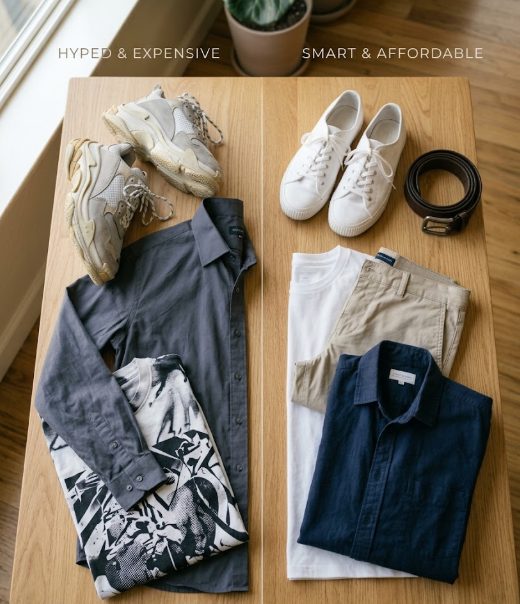
I used to buy $35–45 “premium” tees thinking the fabric would be life-changing. In reality, good mid-range options from Uniqlo or Everlane ($18–25) perform almost as well for daily wear. Once you hit a certain quality threshold (proper weight and collar), the returns diminish fast.
Save here and buy a few more. Rotate them and replace when they fade. Your wallet will thank you.
2. Trendy or Statement Sneakers
Those chunky designer sneakers or limited-edition drops? Never again. They look cool for a week then date quickly. I stick to clean white low-top leather sneakers around $80–120. They stay versatile for years instead of becoming a one-season conversation piece.
3. Heavy Winter Coats (If You Live in a Mild Climate)
Living in San Diego, I don’t need a $400 puffer or wool overcoat. A good $100–150 lightweight chore coat or insulated overshirt does everything I need for the few chilly weeks we get. Overpaying for heavy outerwear I wear twice a year is money wasted.
4. Designer Belts
A simple leather belt in brown or black ($30–60) looks just as good as one that costs $150+. No one notices the logo when it’s holding up your pants. Focus on good leather quality and a clean buckle instead of brand names.
5. Multiple Pairs of Similar Jeans
I used to own five different jeans thinking variety mattered. Now I stick to two solid pairs (dark indigo and mid-wash straight cuts) and maintain them well. Overpaying for extra pairs in nearly identical washes was pointless once I understood fit.
6. Fancy Dress Shirts for Casual Use
Stiff $80+ dress shirts that wrinkle the second you sit down? No thanks. I’d rather spend on versatile oxfords or overshirts that actually get worn multiple times a week. Save the formal shirts for rare occasions.
7. Anything “Hype” or Limited Edition
Graphic collaborations, trending colors that won’t last, or anything marketed as “must-have this season.” I stopped chasing these completely. They rarely integrate into a clean, repeatable wardrobe and lose appeal fast.
Where I’m Willing to Spend More (The Smart Exceptions)
Not everything should be cheap. I do invest more in:
Well-fitted pants (better silhouette pays off daily)
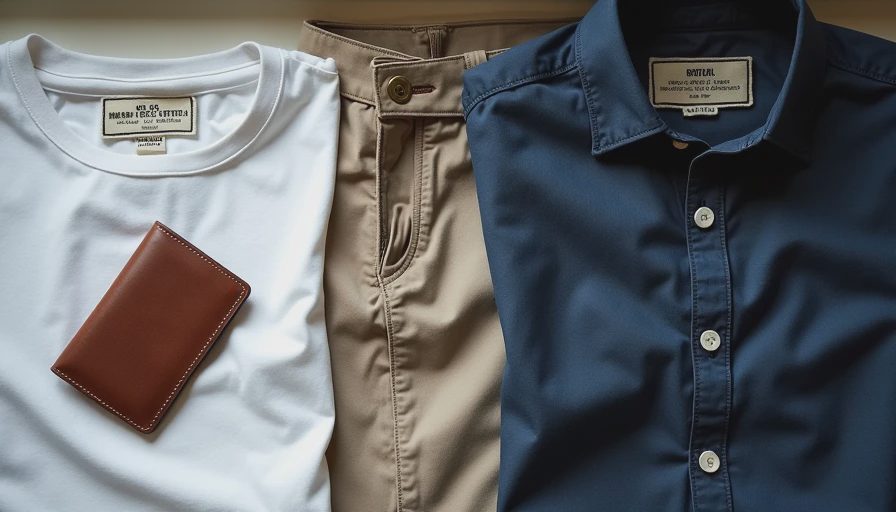
Good quality white tees that hold shape
Versatile overshirts that get heavy rotation
Reliable white sneakers that stay clean
The key is spending where frequency and visibility are highest.
My Decision Framework Now
Before buying anything, I ask:
Will I wear this at least 30 times in the next year?
Does it solve a real problem in my current wardrobe?
Is there a version at half the price that performs 90% as well?
Would I still buy it if no one ever saw the brand?
If it fails any of these, I skip or choose the smarter option.
How This Approach Changed My Wardrobe
My closet is smaller now, but everything gets worn. I feel less guilt when something eventually wears out because I didn’t overpay for it. More importantly, I look more consistent and put-together because my money goes toward versatile, high-use pieces instead of scattered expensive ones.
I still remember buying a $90 graphic tee that I wore exactly twice. That money could have gone toward better chinos I wear weekly. Those kinds of lessons add up.
For the Guy on a Normal Budget
You don’t need to spend a lot to look good. You need to spend wisely. Stop overpaying for items that don’t deliver daily value. Focus your budget on the foundation pieces we’ve talked about throughout this blog — good pants, reliable tees, versatile layers, and clean shoes.
This mindset shift was one of the most practical upgrades in my style journey. It let me build a clean wardrobe without stress or overspending, all while living a normal life in San Diego.
Next time you’re tempted by a flashy “investment” piece, run it through this filter first. You’ll keep more money in your pocket and end up with a more usable, confident wardrobe.
Looking clean beats looking expensive — and smart buying decisions are what make that possible long-term.




Letters
No letters yet — be the first to write.