A few years ago, I stood in front of my closet every morning asking the same question: Is this OK for the office? I work in client success at a software company, and the dress code is vague — not formal, but not weekend casual either. That’s where I realized that creating go-to office casual uniforms for software industry guys is the smartest thing you can do. It removes the guesswork, saves time, and ensures you always look put together without trying too hard. Here’s how I built mine, and how you can too.
Why Uniform Thinking Saves Time (and Decision Fatigue)
When you treat your wardrobe as a set of reliable formulas, you stop wasting mental energy on clothes. Every morning, you reach for a combination you already know works. That’s huge when you’re a software guy juggling code, meetings, and deadlines. I used to try different shirts and pants every day, and half the time I ended up changing halfway through the morning. Once I settled on a few core outfits, that frustration vanished. I’ve been rotating the same four or five looks for two years now, and nobody notices — because looking clean beats looking new every time.
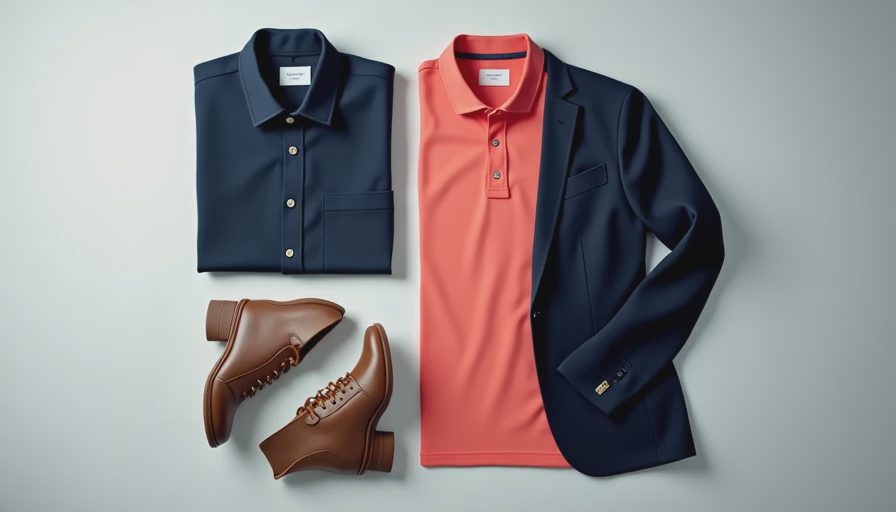
The Core Pieces You Need
To build your uniform, focus on versatility and fit. You don’t need a huge wardrobe, just the right items. Here’s my list:
- Chinos: Two pairs in neutral colors — navy and khaki work best. Go for a slim-straight cut, not skinny. Uniqlo’s Kando Pants or J.Crew’s 770 chinos are solid picks under $60.
- Plain tees: Three or four high-quality crew necks in white, black, and gray. Avoid logos. A slightly thicker fabric holds shape better. Everlane and Uniqlo both make excellent basic tees.
- Oxford cloth button-down shirts (OCBDs): These are the cornerstone of office casual. Get two in white and light blue. They dress up a tee and dress down a blazer. Brooks Brothers has lifetime warranty sales, but Target’s Goodfellow line works just fine.
- Clean sneakers or loafers: White leather sneakers (like Stan Smiths or Veja) go with almost everything. For a slightly dressier step, a penny loafer in dark brown leather is an easy swap.
- A good sweater: A crewneck in navy or charcoal wool blends over an OCBD or tee. Perfect for air-conditioned offices.
How to Build Your Uniform Rotation
Now, put those pieces together. My personal rotation looks like this:
- Monday: Navy chinos + white tee + white sneakers + navy sweater if needed.
- Tuesday: Khaki chinos + light blue OCBD + loafers.
- Wednesday: Navy chinos + gray tee + white sneakers + charcoal sweater.
- Thursday: Khaki chinos + white OCBD + loafers.
- Friday: Any chinos + tee + sneakers, no sweater needed.
That’s five distinct outfits from about ten items. The key is that every piece works with every other piece. You don’t have to think about it — you just grab and go. This is exactly what I mean by creating go-to office casual uniforms for software industry guys: a small set of basics that mix and match effortlessly.

What to Avoid
A few common pitfalls will sabotage your uniform. First, clothes that don’t fit. Shoulders too wide, pants too baggy, shirts too long — all make you look sloppy. Spend the $10 to get pants hemmed. Second, anything too casual. Hoodies, graphic tees, and athletic shorts belong to weekends. Save them for after hours. Third, trying to dress like you’re in a fashion show. Avoid bright colors or patterns that are hard to match. You want reliability, not attention. Finally, don’t over-accessorize. A simple watch is enough. Leave the bracelets and fancy belts at home.
Make It Stick: Practical Tips for Long-Term Wear
Once you have your uniform rotation, maintain it. Replace items when they show wear — but don’t chase new trends. Every season, check your pants for fading and your shirts for collar fray. I keep a list on my phone of exactly what I need to replace, so I never buy impulsively. And when I do shop, I stick to the same colors and brands. This consistency makes creating go-to office casual uniforms for software industry guys feel effortless, because it becomes a system, not a chore.
Budget-Friendly Options for Building Your Uniform
If you’re just starting out or watching your spending, building a uniform doesn’t have to break the bank. Look for sales at Uniqlo, Target, and Old Navy. For example, a pair of chinos from Old Navy costs around $30 during a 50% off sale. Plain tees can be found at H&M for $10 each. And if you need a button-down, Goodfellow & Co at Target is often priced under $25. I’ve bought OCBDs for $15 on clearance. The key is to buy fewer items but invest a little more in fit. A $30 shirt that fits perfectly looks better than a $100 shirt that’s too big. Start with just two pairs of chinos, three tees, and two button-downs — that’s seven items for under $150. Then add sneakers and a sweater later. This budget-friendly approach shows that creating go-to office casual uniforms for software industry guys is accessible regardless of your budget. And as your wardrobe grows, you can upgrade one piece at a time.
Final Thoughts: Keep It Simple
If you’re a software guy tired of morning indecision, try this approach for two weeks. Swap your random closet for a curated set of reliable pieces. You’ll gain time, confidence, and a clean look that works every day. Remember, the goal isn’t to impress — it’s to be presentable without the headache. That’s what creating go-to office casual uniforms for software industry guys is really about. Start with the basics, and adjust as you go. Your mornings will thank you.




Letters
No letters yet — be the first to write.