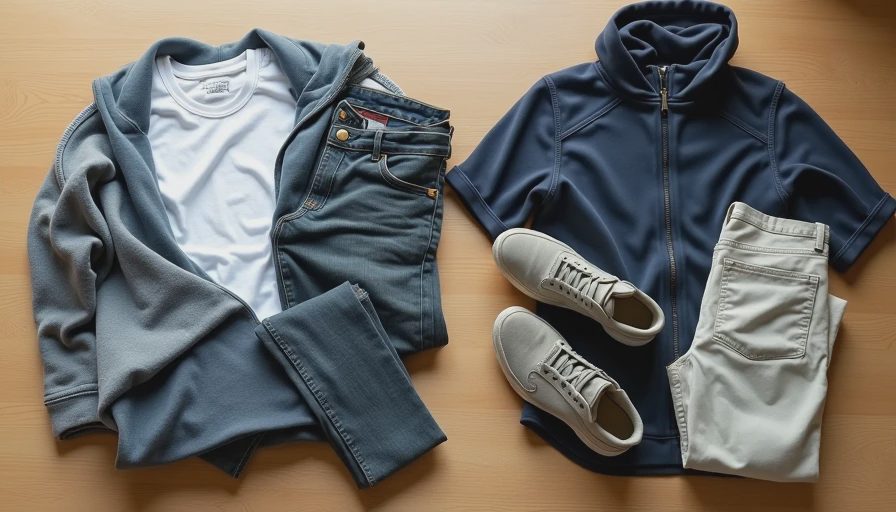
The Expensive Education of Bad Purchases
I used to throw money at problems I didn’t fully understand. I’d see something cool online, buy it, wear it once, and then it would sit in my closet judging me. The turning point came when I finally prioritized fit over everything else. Suddenly, a lot of “must-have” items lost their appeal.
These seven things are what I stopped buying once I got serious about how clothes should actually fit and perform in real San Diego life. This isn’t about being cheap — it’s about being smart.
Looking clean beats looking expensive, and understanding fit is one of the best ways to make that true without draining your wallet.
1. Super Skinny Jeans and Pants
I used to think skinny jeans made me look sharper. In reality, they cut off circulation, made sitting uncomfortable, and created weird bunching. Once I switched to straight and relaxed-straight cuts with proper fit, I realized skinny styles were fighting my body instead of working with it.
Now I only buy pants that skim my leg and break cleanly at the shoe. The cleaner silhouette feels better and looks more intentional.
2. Cheap Thin White T-Shirts in Bulk
Those $8 packs of five? I stopped. They go see-through, lose shape after three washes, and make you look sloppy under any real lighting.
Understanding fit taught me that a heavier, well-structured white tee (180gsm+) in the right size is worth paying more for. I now own fewer but better ones that actually last and look clean all day.
3. Oversized Hoodies and Sweatshirts
I loved the comfort, but they made me look shapeless and lazy. Once I focused on clean lines, I realized hoodies only work in very specific casual contexts. I mostly stopped buying new ones and now reach for overshirts or lightweight crewnecks instead. They add structure while staying comfortable.
4. Trendy Statement Sneakers
The chunky dad sneakers, bright colors, and loud designs looked cool in photos but terrible after a week of real wear. They drew attention in the wrong way and clashed with clean outfits.
I now stick to simple white leather low-tops and minimal brown options. Clean, versatile, and they make the rest of the outfit look better instead of competing with it.
5. Stiff Formal Button-Downs for Everyday Wear
Those crisp dress shirts I bought thinking they’d make me look professional? Most ended up wrinkled and rarely worn. Once I understood fit, I realized soft overshirts and oxfords with natural texture work much better for my actual life.
I stopped buying stiff formal shirts for daily use. They belong in a real office setting, not my client-success casual environment.
6. Cargo Pants and Anything With Too Many Pockets
They seemed practical until I saw how they ruined my silhouette. The extra bulk and flaps made me look wider and less put together.
Good fit means clean lines. I switched to simple chinos and jeans with minimal detailing. My legs look longer and my outfits look sharper.
7. Fast Fashion Items That Look Good Only in the Store
The biggest lesson: if it looks amazing under store lighting but feels off when you move, don’t buy it. I stopped impulse-buying trendy pieces that didn’t survive a full day of real movement and different lighting.
Now I test everything by sitting, walking, and reaching. If I’m adjusting constantly, it doesn’t come home with me.
The Common Thread: Fit Over Flash
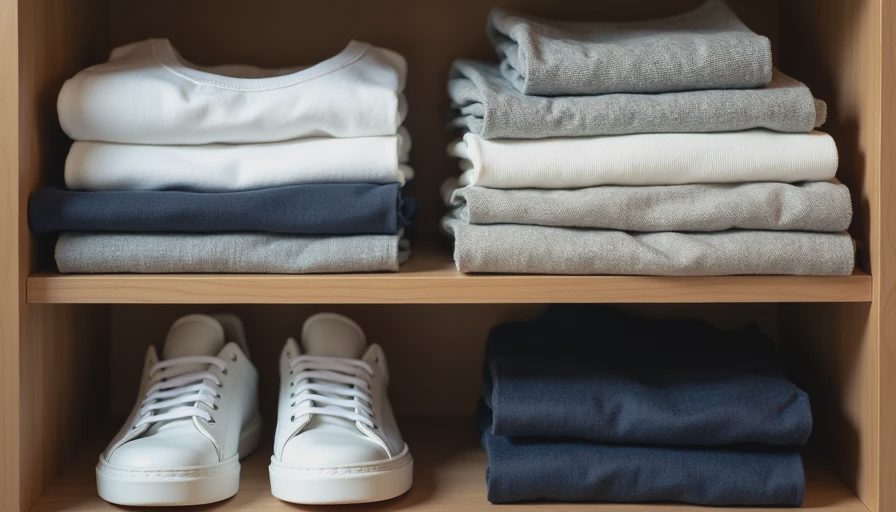
All these mistakes came from chasing “cool” or “comfortable” without considering how the item actually fit my body and lifestyle. Once I learned to prioritize shoulder alignment, proper length, clean breaks, and breathable fabrics, my buying habits changed completely.
I buy fewer things now, but I wear almost everything I own. My closet feels calmer and more useful.
How This Shift Saved Me Money and Sanity
Before: Constant regret purchases, cluttered closet, decision fatigue every morning.
After: Smaller, higher-quality rotation, more confidence, and actual money left at the end of the month.
I still make mistakes occasionally (that patterned shirt I bought last month was a reminder), but I catch them faster because I now have clear standards around fit.
What I Buy Instead
Well-fitted straight chinos and jeans
Heavier, structured white and gray tees
Versatile navy and olive overshirts
Clean white sneakers and minimal boots
Textured oxfords and lightweight layers
These pieces work together and survive real days. That’s the goal.
Advice for Guys Still Figuring It Out
Start by auditing your closet. Pull out the things you haven’t worn in months and ask honestly: “Is this because of bad fit?” Be brutal. Then replace the worst offenders with better-fitting versions of what you actually need.
You don’t need a huge budget. You need better decisions. Understanding fit turns shopping from stressful guessing into confident upgrading.
This realization was a big step in my own journey from dressing randomly to dressing with intention. It’s not sexy advice, but it’s the kind that actually sticks and improves your daily life.
If you’re in your 20s or early 30s trying to build a cleaner wardrobe on a normal salary, stop buying these seven things. Focus on fit-first pieces instead. Your mirror, your wallet, and your confidence will all thank you.
Looking clean beats looking expensive — and nothing helps you achieve that faster than knowing what not to buy.



Letters
No letters yet — be the first to write.